Dubai summer pet safety
How to manage walks, heat stress, indoor enrichment, balcony risk, and emergency decisions during hot months.
Heat changes the care plan
Dubai summer care is not the same routine with shorter walks. High heat and humidity affect pavement temperature, breathing, hydration, appetite, and recovery time. Rescue pets, flat-faced breeds, senior animals, overweight pets, puppies, kittens, and animals with heart or breathing issues need extra caution.
Walk timing and surface checks
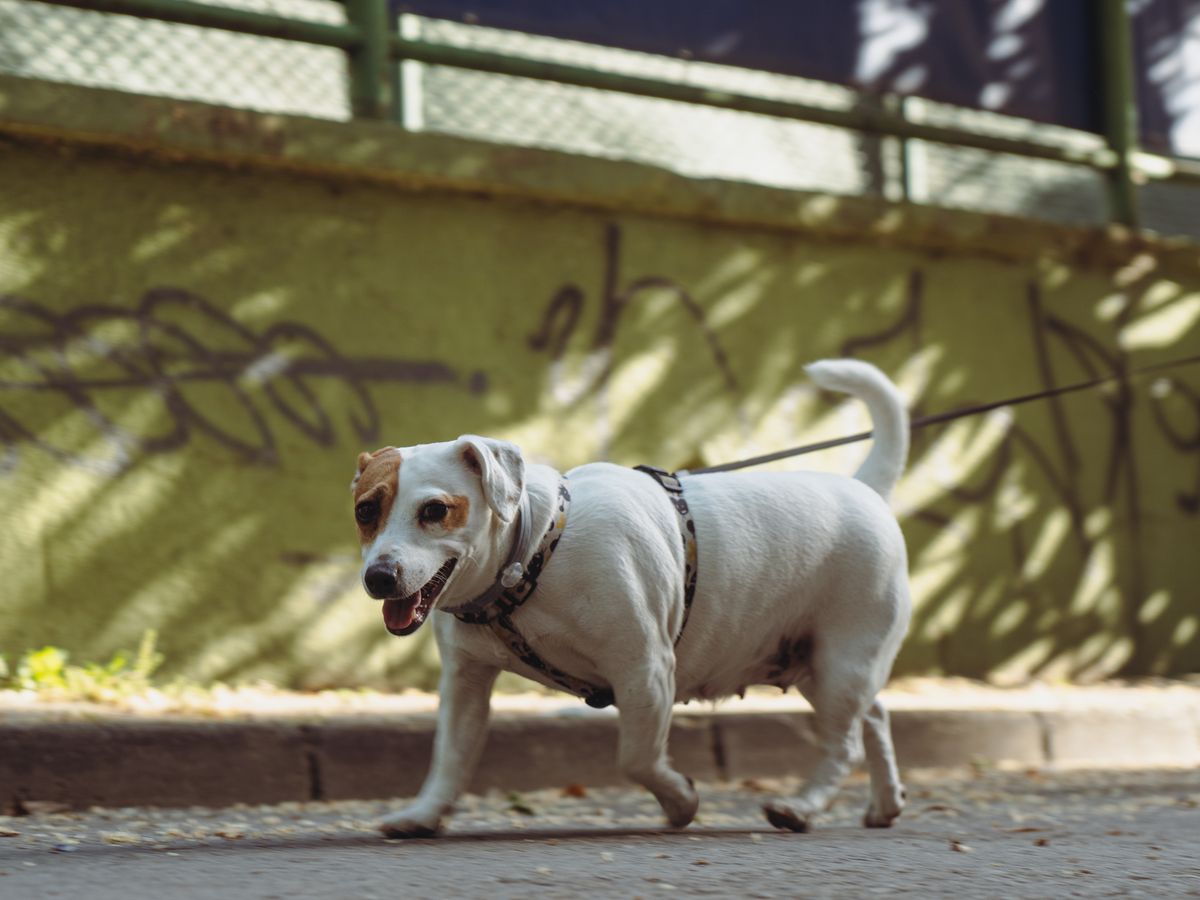
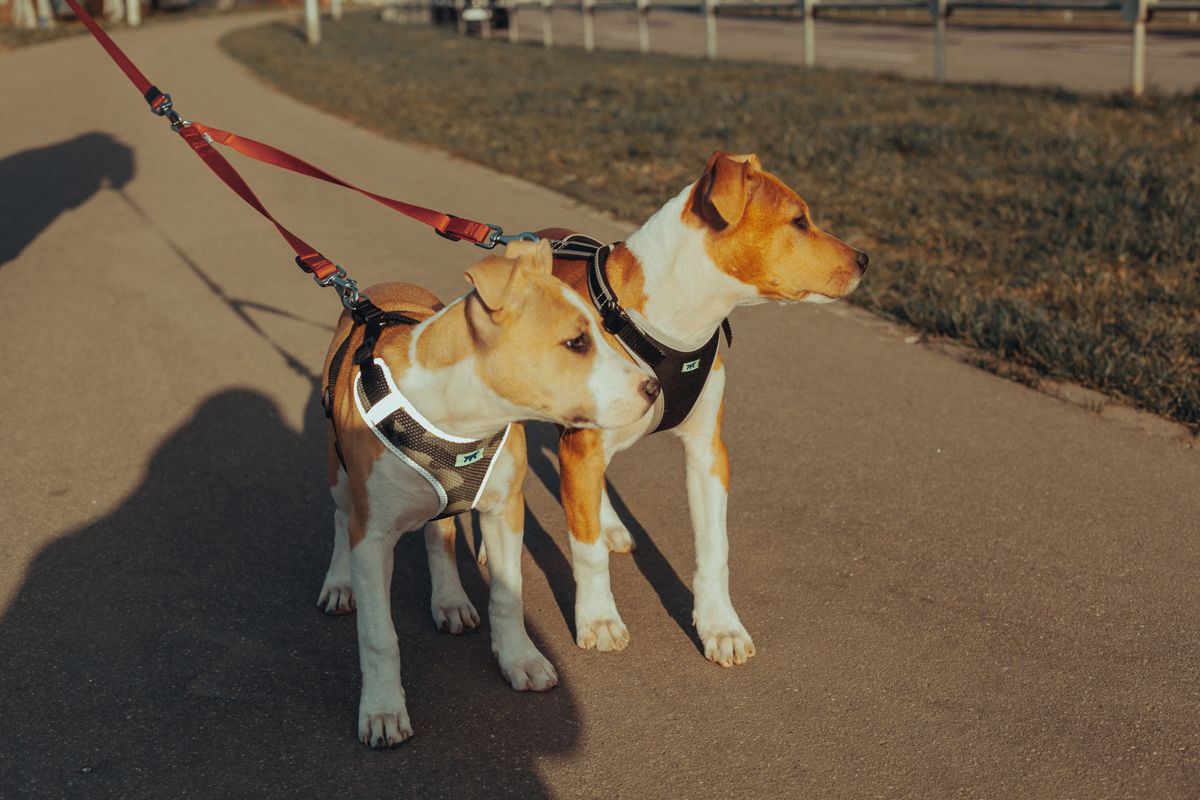
Plan dog walks early in the morning or later at night, and keep them functional rather than ambitious during peak heat. Test pavement with your hand before walking. If it is uncomfortable for your hand, it can burn paws. Choose shaded routes, avoid long waiting time at crossings, and carry water even for short walks.
A dog that wants to keep going can still overheat. Watch for heavy panting that does not settle, weakness, glazed eyes, drooling, vomiting, wobbling, collapse, or confusion. Move to shade or air conditioning and call a vet quickly if recovery is not immediate.
Cars, balconies, and service areas
Never leave a pet in a parked car, even with a quick errand planned. Heat can rise fast and the animal cannot choose to leave. Balconies are also high-risk: cats can fall, dogs can overheat, and both can become trapped without water. Keep balcony access supervised and screened.
Service rooms, outdoor kennels, storage areas, and roof spaces can become unsafe when air conditioning is weak. If a foster or adopter says the pet will stay in one of those spaces, ask exactly how temperature, ventilation, water, and supervision will be managed.
Indoor enrichment without overstimulation
Replace part of outdoor activity with scent games, puzzle feeders, short training refreshers, calm tug, hide-and-seek with treats, and gentle brushing. Use several short sessions rather than one intense indoor play block. Overexcitement indoors can still raise body temperature and stress.
For cats, rotate boxes, scratching surfaces, window perches away from direct harsh sun, food puzzles, and short wand-toy sessions. For newly rescued cats, enrichment should build confidence rather than force interaction.
Water, food, and monitoring
Keep more than one water station in the home, especially if the pet is confined to a settling room. Wet food, vet-approved hydration support, and shaded rest can help, but sudden loss of appetite or lethargy should not be written off as just the weather.
When to call a vet
Call urgently for collapse, severe weakness, breathing difficulty, repeated vomiting, seizures, heat-stress signs, suspected poisoning, or a pet that cannot cool down after moving indoors. Call the same day for persistent appetite loss, diarrhea, coughing, limping, or unusual hiding in a newly rescued animal.
Summer safety is part of animal welfare: safe shelter, rest, hydration, and veterinary care are legal and ethical basics, not optional comfort upgrades.
Was this guide helpful?