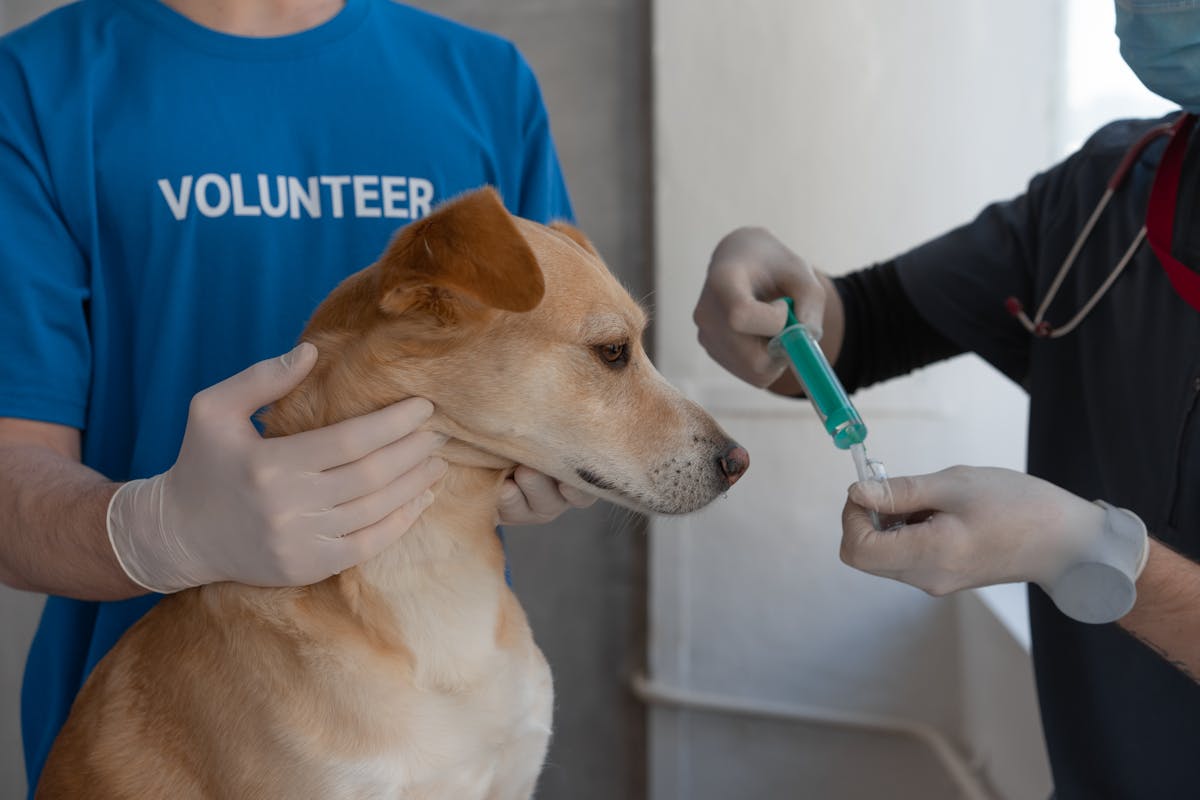
Vaccines, microchips, and records that prevent rescue problems
The core health document system every adopter, foster, rescuer, and finder should maintain before a handover or emergency.
Think of records as safety infrastructure
A vaccine card is not just a clinic receipt. It is the evidence that lets a pet board safely, enter daycare, travel, transfer to a foster, complete a municipality registration, or be returned to the correct owner after being found. For rescue work, weak records create delays exactly when speed matters.
The core folder
Keep the microchip number, rabies vaccination, core vaccination, parasite prevention, sterilization status, medical conditions, medication schedule, allergy notes, clinic contact, and emergency contact in one folder. Add clear photos of the pet from both sides and a face photo under normal lighting.
For handovers, share the record as PDFs or clear images, not only screenshots inside chat threads. Chat history gets lost, accounts change, and the next caretaker may need to show a clinic or building management the document quickly.
Microchip checks
Ask a clinic to scan the chip before a major handover, relocation, or lost-pet claim. The number in the body must match the number in the record. If the chip cannot be found, or the record has a different number, pause the handover until a vet explains the discrepancy.
Vaccines and timing
Rabies records are central for Dubai registration and international movement. MOCCAE import guidance says first-time or interrupted rabies vaccination requires a waiting period before import, and valid booster history can change timing. Local clinic reminders should be treated as operational deadlines, not optional notifications.
Core vaccines, deworming, tick and flea prevention, and kennel cough or other lifestyle vaccines depend on species, age, exposure, and clinic advice. Do not give medical instructions from social media when a licensed vet can review the animal's actual risk.
Before adoption or foster transfer
The current keeper should give the adopter or foster a written summary: what food the pet eats, how much, medication details, toilet habits, known triggers, last vaccine date, next due date, microchip number, and clinic contact. If the pet is not sterilized, explain why and what the plan is.
For found animals
If you find a cat or dog, ask a vet clinic to scan for a microchip before assuming the animal is abandoned. Share public posts with safe identifying details, but keep some proof private so a claimant can verify ownership. Do not publish full documents, exact home addresses, or personal IDs.
A missing record can delay boarding, adoption, travel, or reunification even when the animal is healthy.
Was this guide helpful?